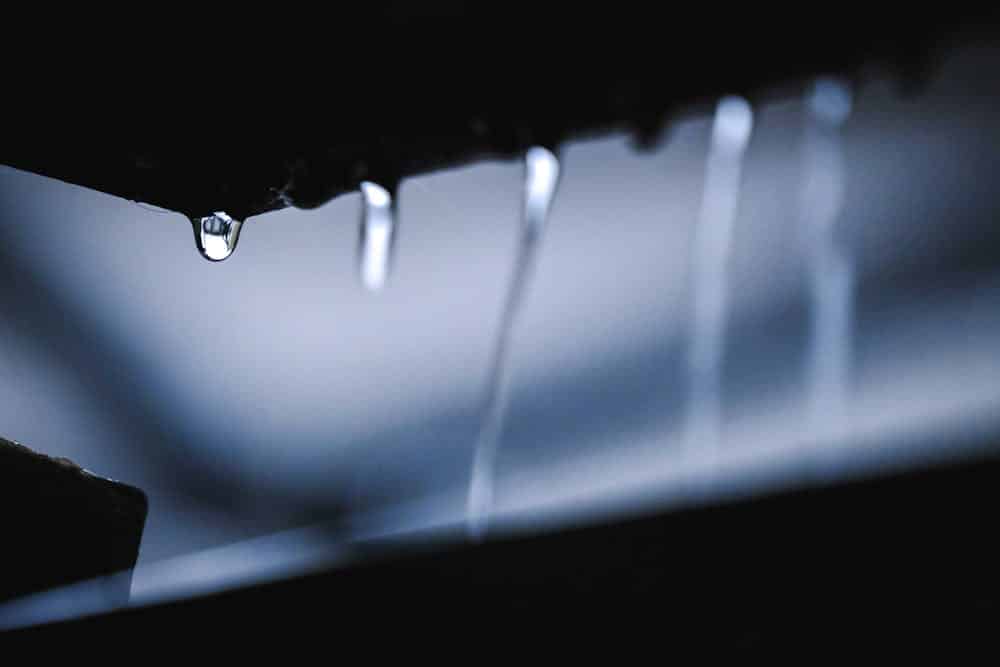
After waiting out a storm in a shelter, you rush to your car, hoping for a warm and fuzzy drive home. You find the carpet wet, and the air is stale. Cars are built to keep the weather out, so rainwater making it inside is alarming to anyone who knows better. A small drip may look harmless, but it often points to a much bigger problem waiting to escalate.
Water leaks into a car after rain for various reasons, e.g., poor windshield installation, wear of windshield adhesives, or other seals on car windows or sunroofs. Other causes are worn door weatherstripping or clogged sunroof drains. Pools form in various areas depending on the source of the leak.
Here’s a detailed explanation for the most common car water leak causes, where to check first, and when professional auto glass service makes the most sense before moisture causes lasting damage.
Common Signs of a Water Leak Inside Your Car
1. Water Appears Only After Heavy Rain
A leakage starts small, growing into a bigger problem over time. In earlier stages, the car’s water leaks remain hidden during light rain and only show up during downpours or car washes.
Higher water volume overwhelms weakened seals, exposing problems that remain invisible the rest of the time.
2. Water Dripping Inside the Car
After rainfall, water may drip from under the dashboard, along the door frame, or near the interior trim. You won’t notice immediately because the drops travel behind panels before finding an exit point.
What It Usually Means
- A windshield seal has failed.
- Water has entered through a body seam or roof channel.
- Moisture has pooled and overflowed from a hidden cavity.
3. Wet Carpets or Soaked Floor Mats
Wet carpets and soaked mats smell unpleasant and are uncomfortable. They also make your car’s interior smell foul and stale. The padding beneath the carpet absorbs water fast and holds it long after the surface feels dry.
Passenger Side vs. Driver Side
- Passenger side: Often points to a windshield leak or sunroof drain issue.
- Driver side: More commonly tied to door seals or body seam leaks.
4. Foggy Windows and Persistent Moisture
You can tell there’s trapped moisture in your car when the windows become foggy after rain showers. That tells you there’s a slow leak that will eventually become a bigger problem.
The HVAC system struggles to clear the air when water continues to evaporate from the carpet and insulation.
5. Musty Smells That Won’t Go Away
A damp, moldy odor almost always follows water inside a car. Smells linger because moisture settles into carpet padding or seat foam.
Why Does Water Leak in a Car When It Rains?
1. Windshield Seal Failure
During installation, your windshield was sealed to your car with strong adhesive for structural soundness and to stop air and water from leaking into the cabin.
Windshield seal failure is possible owing to improper installation or wear and tear over time. It causes water to seep into the cabin through small gaps and cracks in the seal. The water then leaks onto your dashboard, seats, and floors.
Why Does It Often Soak the Passenger Side?
Water yields to gravity, flowing via the path of least resistance. In many vehicles, that path leads straight down to the passenger-side floor, allowing water to pool.
2. Worn or Damaged Door Weatherstripping
Door seals compress and dry out over time. When they lose their shape, they stop directing water away from the cabin and allow it to drip inside during rain.
Signs Door Seals Are the Problem
- Water along the door seal.
- Damp carpet near the threshold.
- Streaks running down the interior trim.
3. Cracked or Poorly Sealed Side and Rear Windows
Even small gaps around side or rear windows allow rainwater to enter the vehicle. Once water gets past the seal, it travels behind door panels or trim and shows up far from the original entry point.
4. Clogged Sunroof Drains
Sunroofs don’t block water completely. They rely on drain tubes to carry water away from the vehicle.
When debris clogs those drains, water backs up and spills into the headliner or down the pillars.
5. Body Seam or Roof Channel Leaks
Vehicles use seam sealers to close gaps where body panels meet. Over time, that sealer can crack or separate, especially on older cars.
Rainwater then seeps through and enters.
Where Water Commonly Collects Inside a Car
1. Passenger-Side Floorboard
We already mentioned that the passenger side is the most likely to flood when your car is leaking. We agreed it’s because the water leaking via the cowl can spill into the footwell.
Why This Area Gets Wet First
Water travels downward and forward. This area naturally gets wet first as it sits lower than most entry points.
2. Driver-Side Floor
Door-seal failure or body-seam leaks near the kick panel are usually to blame for water pooling on the driver’s floor.
3. Rear Floorboards
Rear floor leaks can also start in the front of the vehicle. Water seeps under the carpet and padding, spreading toward the back really quickly.
4. Headliner and A-Pillars
You may also notice water stains on the headliner or dampness on the A-pillar. That tells you there’s an issue with:
- Windshield leakage,
- Faulty roof seams, or
- Clogged sunroof drains.
From there, water runs downward along interior supports and disappears behind trim.
5. Trunk or Rear Cargo Area
Drivers rarely check the cargo area after rain, so it’s often even wetter than the passenger compartment. So the water that leaks into these areas can mix with dirt, creating a foul-smelling sludge.
You have to watch out for water collecting in the trunk via cracks:
- Rear window seals.
- Taillight seals.
- Body seams.
Can You Fix a Car Water Leak Yourself?
You can fix some car leaks yourself, but it depends on your skills. Some leaks are easy to fix, such as replacing cracked window seals or tightening loose bolts.
Other leaks require more extensive repairs that may be best left to a professional. Please note that some leaks appear simple on the surface but turn out to be much more complex upon inspection.
What You Can Check Without Taking Anything Apart
You can look over door seals for cracks, gaps, or areas that no longer press firmly against the frame.
If your vehicle has a sunroof, clearing leaves and debris from the drain openings can also help, especially if water shows up after heavy rain.
Why Water Leaks Fool So Many Drivers
Water almost never drips straight down from the source. It runs along metal, wiring, and insulation. Then, it shows up in a completely different spot. We’ve covered all these scenarios, right?
When It’s Time to Stop Guessing
Once a leak involves the windshield, side glass, or rear window, DIY fixes usually fall short. These areas rely on precise bonding and sealing, and a small mistake can turn a slow leak into a bigger problem.
The Cost of Waiting
Water inside a car doesn’t stay contained. It spreads under the carpet, soaks the padding, and invites mold and electrical issues.
Fixing the leak early almost always costs less than repairing the damage it leaves behind.
Why Auto Glass Problems Cause So Many Car Water Leaks
By now, we all appreciate that your windshield and car windows do more than just maintain your car’s structural integrity.
Auto glass helps seal the entire cabin. When that seal fails, your interior won’t be dry and cozy during adverse weather.
1. The Windshield Is a Structural Barrier
Modern windshields bond directly to the vehicle’s frame with adhesives that also keep the cabin sealed.
When the seal is compromised, rainwater leaks in and runs behind the dashboard. You may be safe for the meantime, but your comfort is lost.
2. Small Installation Issues Create Big Leaks
A slight gap in the seal, uneven adhesive, or contaminated bonding surface can let water in. The leak may start small and gradually worsen.
3. Older Glass and Seals Wear Out
Over time, exposure to the sun and temperature fluctuations weakens the seals around windshields and windows. Even without visible cracks, aging materials lose their ability to keep water out.
Why You Shouldn’t Ignore Water Leaking Inside Your Car
It’s easy to shrug off a little water on the floor, especially if it dries up after a day or two. Big mistake!
By the time water shows up inside the car, it has already soaked into places you can’t reach.
Interior Damage Adds Up Fast
Carpet padding acts like a sponge. It traps water under the surface, ultimately causing:
- Stains.
- Lingering odors that won’t go away with air fresheners.
- Mold growth.
Electrical Problems Can Follow
The dashboard, where the water runs from the windshield to the passenger-side floor, houses:
- Wiring.
- Sensors.
- Control modules.
When water reaches these components, it can cause:
- Warning lights.
- Intermittent failures.
- Expensive electrical repairs.
Leaks Tend to Get Worse, Not Better
Seals don’t heal themselves. A slow drip today often turns into a steady leak during the next heavy rain, especially as temperature changes stress already weakened materials.
Safety Can Be Affected
A leaking windshield seal can also compromise the glass’s ability to support the vehicle in a collision. It escalates from a comfort issue into a safety issue as well.
Get the Leak Fixed Before It Causes Bigger Problems
The leaking you’re experiencing won’t fix itself. You need professionals like Rite-Way to inspect and identify the source of all leaks. You also need to do it quickly before moisture damages your interior or electrical systems.
We’ve helped Kentucky drivers track down and fix car water leaks for over 75 years. Schedule an inspection with Rite-Way Auto Glass and get back to driving dry, comfortable, and confident.