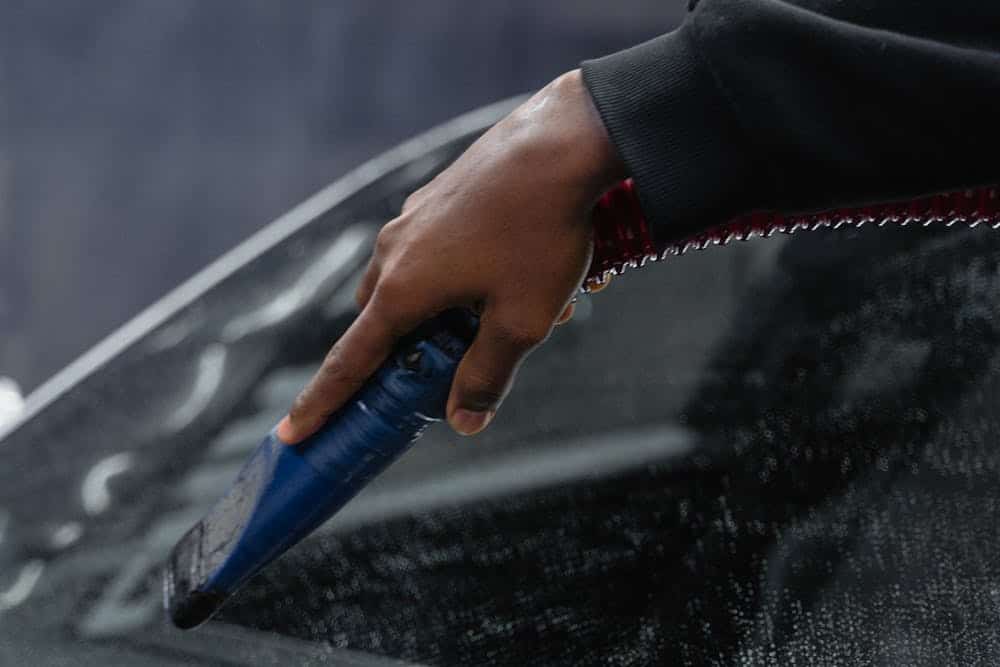
If windshields weren’t necessary, all vehicles would save the expense and forgo them altogether. These glass barriers are your car’s first line of defense against the elements, road debris, and accidents. Windshields also support your vehicle’s structural integrity, not to mention providing visibility for safe driving.
Even the most careful driver can’t always avoid a cracked windshield. Luckily, if you catch it early enough, you can fix a cracked windshield at home before it becomes a bigger problem.
Here’s a comprehensive guide on how you can repair a cracked windshield at home, starting with how to identify the type and severity of the crack.
Can You Repair a Cracked Windshield at Home?
It’s possible to fix car window cracks in some situations, but DIY approaches can’t cut it all the time. You need the discretion of a professional in some cases, and the earlier you get it restored by a pro, the better.
Factors to Consider When Deciding to Repair or Replace
1. Crack Size Limits
You’re hoping that it’s possible to fix a long crack in your windshield. The speed at which it spreads is a major concern, and the longer you wait to fix it, the less hopeful you can be about preventing its spread.
Unfortunately, size matters in this context. The length and location of the crack will determine whether a professional can restore it.
Typically, cracks longer than four inches aren’t easy to repair, and we prefer windshield replacement. Otherwise, you’d be dealing with compromised structural integrity and potential safety hazards while driving.
2. Crack Location Limits
The location of the crack matters just as much as its size. We advise replacing your windshield if the crack is located:
- On the driver’s side, it can obstruct your view and affect driving visibility.
- Directly in front of the driver, as it may cause distraction or glare while driving.
- At the edge of the windshield, this area is critical for maintaining structural integrity during an accident.
3. How Deep Is the Chip?
It’s so short that we can’t even call it a crack. It’s a chip, alright, but how deep is it? The chip’s depth can also determine whether you should take a DIY approach or seek professional help.
If the chip is only surface-deep, meaning it hasn’t reached the inner layer of the windshield, then you can fix it at home. There are numerous DIY windshield repair kits available in the market that can effectively fill in and cover up shallow chips.
If the chip is too deep and has gone through multiple glass layers, attempting a DIY fix may not be effective and could even cause further damage.
4. Types of Chips
Not all chips are created equal. In fact, different types of windshield chips require different repair methods. Here are some common types:
- Bullseye: This type of chip resembles a bullseye, with a central impact point surrounded by concentric circles. The central part is the deepest, while the outer parts are the shallowest.
- Star Break: Similar to a bullseye, but with multiple cracks radiating out from the center.
- Combination: A mix of both bullseye and star break patterns.
- Half-Moon: A partial bullseye or star break, usually caused by smaller debris.
- Crack: A single line that runs across the windshield, often caused by larger rocks or objects hitting the glass.
5. Are There Previous Repairs?
In addition to the different types of damage patterns, it’s essential to consider whether the windshield has undergone prior repairs. Your windshield must be strong enough to withstand an accident, and previous repairs can weaken its overall strength.
Let your repair technician know if you notice any signs of previous repairs, such as visible sealant or unevenness in the glass. Let them determine if the repair was done properly; they can better identify all potential safety concerns.
It’s better to replace your windshield than to repair it repeatedly.
What You’ll Need for a DIY Windshield Crack Repair
Common Tools and Materials
- Windshield repair kit (resin and applicator) for your specific type of damage. It helps to choose a reputable brand with good reviews.
- Razor blade or safety pin for removing any loose glass or debris.
- A clean and dry microfiber cloth for cleaning the area around the crack.
- Gloves and goggles for your hands and eyes while working with the glass and resin.
- Use glass cleaner or rubbing alcohol to dampen the microfiber cloth for cleaning the windshield.
- A drill or Dremel tool with a small drill bit, if the crack has a bullseye or star pattern.
- UV light or sunlight to help cure the resin and harden it.
- A razor blade or sharp knife for removing any excess hardened resin after the repair is complete.
Step-by-Step Guide: How to Fix a Cracked Windshield at Home
Step 1: Clean the Damaged Area
Remember, your windshield should be clear and strong so you can drive safely while seeing clearly. Cracks and chips accumulate dirt and debris over time, making them harder to see.
If you start the repair process without cleaning, expect a couple of challenges:
- The resin will sit on the dirt, ruining aesthetics and visibility.
- The impurities will spread, widening the crack. The resin also will not bond well with the glass, causing the repair to fail.
To clean the damaged area, you will need:
- A microfiber cloth or cotton swabs.
- Glass cleaner or rubbing alcohol.
- Water and soap (optional).
To clean the damaged area, follow these steps:
- A safety pin will help you remove larger particles that are stuck in the crack.
- Dip a microfiber cloth or cotton swab into the glass cleaner or rubbing alcohol.
- Gently wipe the damaged area, making sure to remove any dirt, debris, or oils.
- If necessary, use a water-and-soap mixture to thoroughly clean the crack and surrounding area.
- Wait for it to dry completely.
Step 2: Apply Resin Using the Kit’s Applicator
After the damaged area is clean and dry, it’s time to apply the resin. Most windshield repair kits come with an applicator device that makes this step easy.
- Tape off the damaged area to create a barrier around the crack or chip. It will prevent any excess resin from spreading onto your windshield.
- Remove the cap from the resin bottle.
- Attach the applicator tip to the resin bottle.
- Carefully insert the applicator tip into the crack or chip.
- Squeeze a small amount of resin into the damaged area to fill it.
- Once filled, replace the cap on the resin bottle to prevent accidental spills.
- Use the applicator to spread the resin evenly over the entire crack or chip. You need all areas covered and properly bonded together.
- Use a scraper to smooth out the excess resin.
Step 3: Cure the Resin with UV Light
Remember, we mentioned UV light before? It’s time to put it to use.
The resin will only harden when exposed to UV light, and you need to complete this step quickly and efficiently.
You can either do this fix on a hot, sunny day so the sunlight can cure the resin, or use a UV lamp for better control. If the weather doesn’t permit it, it’s better to use the UV lamp.
Hold your UV light about two inches away from the repair for about 30 seconds.
- For larger repairs, you may need to move the light around to ensure all areas are exposed to the UV rays. Keep a steady hand and avoid any sudden movements that may cause uneven curing.
- For smaller or more delicate repairs, it’s best to use a small handheld UV light for better precision.
Step 4: Scrape off Excess Resin
Of course, you didn’t perfectly fill the chip on your first try, but don’t worry! It’s normal to have some excess resin on the surface. Use a razor to gently scrape off the excess resin.
Be careful not to damage the surrounding area or create any additional scratches. Remove as much of the excess resin as possible, then use a small amount of isopropyl alcohol on a cloth to clean up any remaining residue.
You may need to repeat this step if there is still significant excess resin after the first attempt.
Step 5: Polish and Restore
After cleaning up any leftover residue, it’s time to restore your windshield to its original shine. Using a high-quality glass polish, apply a little cleaner onto a dry microfiber cloth and buff the entire repair area.
Follow the instructions on the polish and use gentle circular motions to avoid damaging the windshield. This step will help eliminate any remaining scratches or imperfections caused by the resin and restore clarity to your windshield.
Once you’ve completed the polishing process, it’s important to let the car sit for a few hours before driving. Allow the polish to settle and fully dry for the best results.
Based on all the steps we’ve covered, estimate how long it takes to repair a windshield chip.
How to Fix a Long Crack in a Windshield
Again, don’t bother fixing long cracks. The resin used in these windshield crack repair kits isn’t designed to fill or bond evenly along a lengthy fracture.
Over time, temperature changes, vibrations, and road conditions can reopen or spread the crack, making your repair short-lived.
While you might be tempted to fix a long, cracked windshield at home, it’s rarely worth the risk. Here’s why large windshield crack repair may not work.
1. Uneven Resin Distribution
Longer cracks make it difficult to spread the resin evenly throughout the damaged area. Some sections may remain unfilled, leaving weak points that can expand with pressure or temperature shifts.
2. Loss of Structural Strength
A windshield contributes significantly to your vehicle’s structural integrity during a collision. A long crack compromises that strength, so a DIY fix can’t restore the structural integrity.
3. Distorted Visibility
The resin may dry unevenly or cause optical distortion, especially across the driver’s line of sight, posing a serious safety hazard.
4. Hidden Damage
What appears to be a single surface crack may actually extend deeper into the laminated glass layers. Only a professional with tools and expertise can identify such damage and fix it correctly.
Common DIY Windshield Repair Mistakes to Avoid
1. Applying Resin in Cold or Humid Conditions
Resin cures best in warm temperatures, especially with exposure to sunlight or UV lights.
Attempting to repair a windshield in cold or humid conditions can prevent the resin from properly bonding and curing, resulting in an ineffective repair.
2. Using Low-Quality Resin
Quality resins are more purified than most low-quality resins with impurities. Low-quality resins may not be strong enough to withstand the pressure and stress of everyday driving, leading to a failed repair.
3. Waiting Too Long
Ignoring that small tiny chip will come back to bite at your finances.
Waiting too long allows dirt and debris to become lodged in the damaged area, making it harder for the resin to bond properly.
The chip will gradually grow into a larger crack, and your chances of a successful repair will drop to almost zero.
Call Rite-Way Auto Glass
You’ll need windshield repair and replacement professionals like us to evaluate the damage and determine if a repair or replacement is needed. Our team at Rite-Way Auto Glass has the tools and expertise to quickly fix your windshield.
We never recommend DIY windshield replacement. With so much at stake, it’s best to leave it to the experts. Our professionals are certified and insured to handle all types of windshield replacements, ensuring that your vehicle’s safety and integrity are not compromised.
Don’t worry; auto insurance covers glass repair and replacement in Kentucky, and we’ll help you navigate the process with your insurer. Come to us when your DIY repair fails, or when the cracks are too deep and extensive for repair.