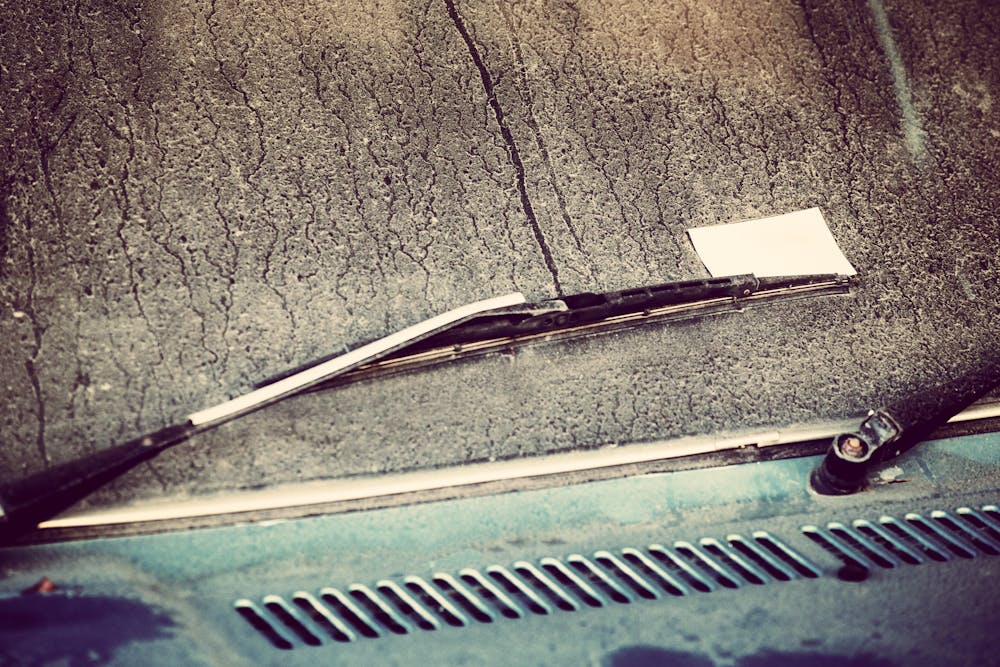
Windshield wipers failing is an underestimated but tremendously dangerous inconvenience. You need to know how to fix faulty windshield wipers, but how do you do that if you can’t tell why they stopped working?
To tell why your windshield wipers stopped working, you need foundational knowledge of how they work. In this post, we’re focusing on the why so you can get the how figured out ASAP.
Let’s start with how windshield wipers work to help you understand what could potentially be going wrong.
How Windshield Wipers Work
It’s not possible to drive safely and responsibly without functional windshield wipers. They maintain a clear view of the road ahead, especially during inclement weather conditions such as rain, snow, or hail.
Windshield wipers are comprised of several key components:
- Wiper blades.
- Arms.
- Motor.
- Linkage system.
Quick Overview of Windshield Wiper Functionality
Most automobiles have a couple of windshield wiper arms sharing a pivoting mechanism. The arms connect to the wiping blades, which are typically made of rubber, and these blades run along the windshield to wash off water, snow, dirt, or debris.
The motor is responsible for powering the arms and moving them across your windshield in a sweeping motion. A linkage system connects the wiper arms to the motor and ensures the blades move in unison.
Common Reasons Windshield Wipers Stop Working
1. Blown Fuse
Your car wiring has several fuses, and your wiper system features its own fuse to protect against electrical surges.
If your wipers suddenly stop working, the first thing to check is a blown fuse. Refer to your car manual for the location of the wiper fuse and replace it if necessary.
You may need our help if your windshield wiper fuses keep blowing.
2. Worn or Damaged Blades
Wiper blades are typically made of rubber or silicone and are designed to clear water and light debris. However, using them to remove hardened debris can lead to faster wear.
If you notice that your wipers are streaking, skipping, or leaving a hazy film on your windshield, it may be time to replace them.
3. Bent Wiper Arms
Wiper arms are responsible for holding the wiper blades in place and moving them across the windshield. However, they can sometimes get bent due to heavy snow or ice buildup, causing the wipers to malfunction.
So, how do you fix the windshield wiper arm issue? Gently bend the wiper arm back into its original position using pliers or your hands. Here’s
If it’s severely damaged, you may need to replace the wiper arm altogether.
4. Clogged Wiper Nozzles
Wipers need some washer liquid to wet the windshield surface so the blades do a better job clearing up messes. If your wipers are moving properly but there’s little or no washer fluid coming out, the nozzles may be clogged.
To unclog washer nozzles, first try soaking them with warm water or using a can of compressed air to blow away loose debris. If the clog persists, you can carefully use a fine pin or a specialized nozzle cleaning tool. Gently insert the tip straight into the nozzle opening just far enough to break up the blockage. Avoid wiggling it or using force, which can damage the nozzle or misalign the spray.
5. Damage to Wiper Motor
The motor converts electric power into mechanical movement, which powers the wiping motions. If this motor gets damaged, your wipers may not function properly or at all.
Signs of a damaged wiper motor include the wipers moving slowly, making unusual noises, or not moving at all.
Pushing a wiper blade that is stuck or frozen onto the windshield can cause damage to the wiper motor.
To prevent damage, don’t drive when your windshield is messy or clogged up with ice. If you suspect your wiper motor is damaged, don’t force the wipers to move, and have a professional mechanic inspect and repair it.
6. Faulty Wiper Switch or Relay
A wiper switch or relay helps control windshield wiper arm movement. If your wipers are experiencing intermittent or no movement at all, it could be due to a faulty switch or relay.
Inspect with your eyes to see if there’s any damage or corrosion on the switch or relay. Also, ensure that all connections are secure and free of debris.
If you notice any issues, it’s best to contact Rite-Way Auto Glass.
How to Fix Windshield Wipers That Won’t Move
After identifying why your windshield wipers stopped working, it becomes easier to fix them. You don’t have to troubleshoot every part of the moving mechanism unless the symptoms suggest issues with multiple parts.
Otherwise, the symptoms you observe can make it much easier to diagnose and fix issues.
Common Windshield Wiper Problems and How to Fix Them
1. Wipers Won’t Move at All
Can you already guess which component could be faulty when wipers don’t move at all based on our discussion of how they work?
- A burnt-out fuse cuts out all power.
- The wiper control switch can be damaged or have a short circuit as well.
- There could be an electrical trip or a broken wire.
- The motor could be totaled, too.
What’s the fix? Check the fuse box and replace any burnt-out fuses. If that doesn’t work, you may need to replace the wiper control switch or take your car to a mechanic for further inspection.
2. Only One Wiper Moves
If only one of your wipers is moving while the other stays in place, it could be due to:
- A worn-out wiper arm.
- Bent or damaged linkage between the motor and wiper blade.
- Dirt or debris stuck on the windshield disrupting movement.
For a worn-out wiper arm, you can easily replace it with a new one. For bent or damaged linkage, check the following:
- A loose or stripped pivot nut: The wiper arm is attached to a splined post that rotates. If the nut holding the arm onto this post is loose, the post will spin but the arm won’t move.
- A disconnected linkage arm: The motor moves a series of rods that connect to both wipers. One of these rods may have popped off its connection point at the base of the non-moving wiper.
To prevent this from happening again, keep the rubber cover of the wiring harness intact during installation.
3. Wipers Won’t Move Smoothly
Symptoms like stutters and jerks while operating your wipers usually suggest issues with the motor.
- Corroded or damaged wiring can increase resistance, reducing the voltage available to the motor. This can cause the wipers to move sluggishly or inconsistently.
- Inspect the wiper’s arm for any signs of bending or damage. A bent arm can cause uneven movement, exerting unnecessary stress on the motor.
- Check for obstructions on the windshield, such as ice buildup or debris that may hinder smooth wiper movement.
How do you prevent this issue or minimize the odds it keeps occurring? You need regular cleaning and maintenance.
4. Uneven Wiping
Uneven wiping is a common issue that can be caused by various factors, such as:
- An imbalance in pressure distribution.
- Worn out wiper blades.
- A malfunctioning motor.
If you notice any streaks or gaps while using your wipers, address the issue promptly to avoid potential hazards.
Start troubleshooting by thoroughly cleaning the windshield and wiper blades. Sometimes, dirt or debris buildup can cause uneven pressure distribution while wiping.
You can tell if the wipers are worn out when cleaning, so what happens when you replace them and the problem persists?
Check if any of the arms or joints are bent, as this can often be the culprit. If everything looks intact, it could be a problem with the wiper motor itself.
In this case, it’s best to avoid future problems by coming to us to do it the Rite-Way.
5. Strange Noises
Listen for strange noises when you turn on your wipers. If you hear any grinding, scraping, or squeaking sounds, there is likely an issue with the wiper blades or motor.
Grinding noises could indicate that the blades are rubbing against a dirty windshield, causing damage to both the blades and the glass.
Squeaking or scraping noises can occur if the wiper blades are old and worn out, as they may not be making proper contact with the windshield.
Unusual noises often come from worn blades or damaged linkages, not the motor itself. However, if the motor is straining or failing, it may emit buzzing or clicking sounds.
Strange noises often come just before the system fails completely, so it’s essential to address them as soon as possible.
When and Where to Get Windshield Wipers Replaced
When
Remember, visibility is key when driving, and wiper blades are crucial for maintaining clear vision during inclement weather. Driving with defective windshield wipers is not only dangerous but also illegal in many U.S. states, which require drivers to maintain clear visibility during adverse weather.
Therefore, you should replace faulty windshield wipers immediately to avoid further damage and potential accidents.
If they stop working while you’re driving, it can be hazardous for you and other drivers on the road. So, park in a safe spot as soon as you can and troubleshoot the issue.
Execute a quick, temporary fix, and then drive straight to your best auto glass repair shop for a lasting fix. If you can’t do it, get professionals to come to you or tow your car to them.
Where
Folks in Kentucky are lucky in that they can call us for on-location windshield repair services. We come to you and fix your windshield or replace it if necessary while you sit back and relax.
Our mobile auto glass repair service is convenient for anyone with a busy schedule or those who simply don’t want to take time out of their day to visit an auto shop. It enables our customers to continue with their daily activities uninterrupted.
We’re also available for emergencies and unexpected situations, such as shattered windshields or broken windows, resulting from accidents or severe weather conditions.
Call us, and we’ll swoop to your rescue.